











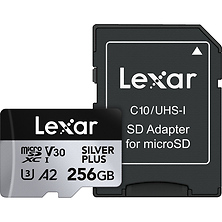




MicroSD Memory Cards for Photography, Video, and Mobile Devices
MicroSD memory cards pack professional storage capacity into a form factor smaller than a fingernail. These compact cards serve action cameras, drones, mirrorless cameras with adapters, smartphones, and portable gaming devices. With capacities reaching 1TB and speeds supporting 8K video recording, microSD cards handle demanding workflows that once required full-size media.
Choosing the right microSD card means matching speed ratings to your recording requirements. Cards labeled with V30, V60, or V90 designations indicate minimum sustained write speeds of 30, 60, or 90 MB/s respectively. Understanding these ratings prevents dropped frames during video capture and ensures smooth performance during burst photography.
Understanding MicroSD Speed Classes and Ratings
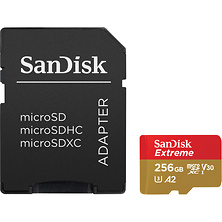
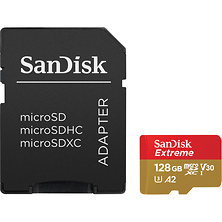
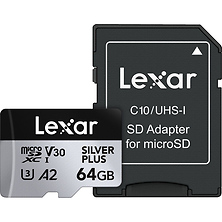
MicroSD cards display multiple speed symbols that indicate performance for different use cases. The key ratings to understand are UHS Speed Class, Video Speed Class, and Application Performance Class.
UHS Speed Class uses the "U" symbol with a number inside. U1 cards deliver minimum write speeds of 10 MB/s, suitable for Full HD video recording. U3 cards provide 30 MB/s minimum write speeds, meeting requirements for 4K video capture and continuous burst photography.
Video Speed Class offers more granular performance tiers using the "V" designation. V30 matches U3 performance at 30 MB/s minimum sustained writes. V60 cards deliver 60 MB/s minimums for high-bitrate 4K recording. V90 cards reach 90 MB/s sustained writes, supporting 8K video and the highest professional bitrates.
The UHS bus interface (I, II, or III) determines maximum theoretical speeds. UHS-I cards reach up to 104 MB/s. UHS-II cards feature a second row of pins enabling speeds up to 312 MB/s in half-duplex mode. For cameras that support UHS-II, these faster cards reduce buffer clearing times and speed up file transfers.
- Speed Class (C10): Minimum 10 MB/s sustained write, suitable for Full HD video
- UHS Speed Class U1: Minimum 10 MB/s sustained write
- UHS Speed Class U3: Minimum 30 MB/s sustained write, required for 4K video
- Video Speed Class V30: Minimum 30 MB/s, standard for 4K recording
- Video Speed Class V60: Minimum 60 MB/s, for high-bitrate 4K
- Video Speed Class V90: Minimum 90 MB/s, for 8K and professional workflows
- UHS-I interface: Maximum 104 MB/s theoretical speed
- UHS-II interface: Maximum 312 MB/s theoretical speed
- Application Class A1: 1,500 IOPS read, 500 IOPS write
- Application Class A2: 4,000 IOPS read, 2,000 IOPS write
Capacities and Format Types
MicroSD cards come in three format types based on capacity. MicroSD cards hold up to 2GB. MicroSDHC (High Capacity) cards range from 4GB to 32GB. MicroSDXC (Extended Capacity) cards start at 64GB and currently reach 1TB, with specifications allowing for future capacities up to 2TB.
For video recording, higher capacities reduce card swaps during long shoots. A 256GB card recording 4K at 100 Mbps provides approximately 5 hours of footage. Action camera users and drone pilots benefit from larger cards since stopping to swap media may not be practical during flight or activity.
MicroSD Cards for Different Devices
Action cameras like GoPro models require microSD cards rated at minimum V30 for 4K recording. Many current action cameras record at high bitrates that demand V60 or faster cards for reliable capture without frame drops.
Drones store footage directly to microSD media during flight. Weight constraints make microSD the standard format for aerial platforms. Match your card speed to your drone's recording capabilities. Check your device manual for recommended card specifications.
Mirrorless cameras accept microSD cards through SD adapters. This approach works well with digital mirrorless cameras that support UHS-II speeds, allowing photographers to use microSD cards across multiple devices. The adapter adds no performance penalty when matched to the card's bus interface.
Smartphones and tablets use microSD cards for expanded storage and app installation. Cards with A2 (Application Performance Class 2) ratings provide the random read/write performance needed for running applications directly from the card. A2-rated cards deliver 4,000 IOPS read and 2,000 IOPS write speeds.
Matching Cards to Recording Requirements
Full HD video (1080p) at standard bitrates works with any U1 or V10 card. Recording Full HD at higher frame rates (60fps, 120fps) or with high-bitrate codecs benefits from U3 or V30 cards.
4K video recording requires minimum V30 speeds for standard bitrates. Professional 4K workflows with high-bitrate codecs (400+ Mbps) need V60 or V90 cards to maintain sustained write performance throughout long recordings.
8K video recording demands V90-rated microSD cards. The data rates involved in 8K capture exceed what slower cards can handle, resulting in dropped frames or recording failures with insufficient card speeds.
Burst photography fills card buffers quickly during continuous shooting. Faster cards clear buffers sooner, letting you resume shooting without waiting. UHS-II microSD cards paired with compatible cameras significantly reduce buffer clearing delays during rapid-fire sequences.
Brands Available at Samy's Camera
Samy's Camera stocks microSD cards from trusted manufacturers known for reliability and consistent performance. Look for cards from Sony, SanDisk, Lexar, ProGrade Digital, and other professional-grade brands. These manufacturers provide consistent quality control and warranty support for their media products.
Caring for MicroSD Cards
MicroSD cards are durable but benefit from proper handling. Store cards in protective cases when not in use. Avoid removing cards while devices are writing data. Format cards in the device that will use them rather than on a computer to ensure optimal file structure.
Backup important footage promptly. While microSD cards are reliable, no storage medium is immune to failure. Professional workflows include immediate backup to additional drives or cloud storage after each shoot.
Frequently Asked Questions
What speed card do I need for 4K video?
For reliable 4K recording, use a microSD card rated at minimum V30 (Video Speed Class 30), which guarantees sustained write speeds of at least 30 MB/s. High-bitrate 4K recording at professional data rates may require V60 or V90 cards.
Can I use a microSD card in a full-size SD slot?
Yes. MicroSD cards fit standard SD card slots using an adapter. Most microSD cards include an adapter in the package. The adapter passes through the card's full speed capabilities, so a UHS-II microSD card works at UHS-II speeds in devices that support it.
What does the A1 or A2 rating mean?
A1 and A2 indicate Application Performance Class ratings for random read/write operations. These ratings matter when running apps directly from the card on smartphones or tablets. A1 cards deliver 1,500 IOPS read and 500 IOPS write. A2 cards provide 4,000 IOPS read and 2,000 IOPS write. For camera use, sequential speed ratings (V30, V60, V90) are more relevant.
Do all cameras support UHS-II microSD cards?
UHS-II cards work in any device that accepts microSD, but they only reach UHS-II speeds in devices with UHS-II-compatible card slots. In UHS-I devices, UHS-II cards function at UHS-I speeds (up to 104 MB/s). Check your camera specifications to confirm UHS-II support before investing in faster cards.
Shop MicroSD Memory Cards at Samy's Camera
MicroSD memory cards deliver reliable storage for action cameras, drones, smartphones, and camera systems. Whether you need high-capacity cards for extended shoots or high-speed media for 8K recording, Samy's Camera carries cards from trusted manufacturers backed by expert support. Browse our selection of camera accessories to complete your kit with card readers, cases, and additional storage solutions.