




Understanding Light Meters for Photography
Light meters measure incident and reflected light in photography, helping you nail exposure without guessing. Whether you're working with film cameras, studio strobes, or natural light, a quality light meter removes the exposure uncertainty. At Samy's Camera, we stock professional-grade light meters and related exposure tools from trusted manufacturers to support studio photographers, location shooters, and film enthusiasts.
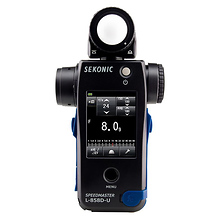
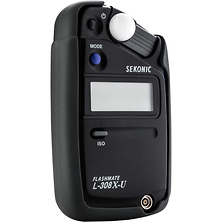
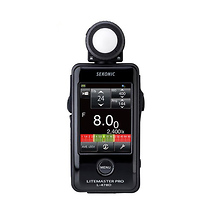
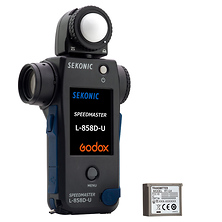
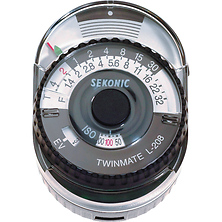
A light meter is an exposure measurement device that quantifies light in your scene so you can set the correct aperture, shutter speed, and ISO. Unlike relying solely on your camera's built-in meter, a handheld light meter provides independent, consistent readings across different camera systems and lets you measure light directly at your subject position.
Light meters fall into two primary categories based on measurement approach. Incident light meters measure light falling on a subject, making them ideal for studio work and controlled situations. Reflected light meters measure light bouncing off your subject, matching how camera meters work and useful for evaluating contrast and overall scene brightness.
Film photographers rely on light meters to ensure proper exposure, since film stocks like slide film demand precise metering for accurate color and tonality. Studio photographers use them to verify strobe output and guarantee consistent exposure across multiple frames. Outdoor and natural light photographers use light meters to read dynamic lighting conditions that change quickly.
Key Features of Light Meters
When selecting a light meter, consider these core capabilities:
- Dual measurement modes: incident and reflected light readings
- Wide sensitivity range: typically EV 0 to EV 20 or greater for varied lighting situations
- Flash synchronization: flash metering capability for strobe exposure accuracy
- Durable construction: weather-resistant design for outdoor and studio use
- Compact form factor: portable enough for on-location work without adding weight
- Long battery life: reliable operation across full-day shoots
- Intuitive display: easy-to-read measurements in stops, EV, or exposure suggestions
Light Meters for Studio Photography
Studio photographers benefit most from light meters with flash metering modes. When balancing key lights, fill lights, and background lights, a handheld meter lets you measure each light independently before shooting. This approach ensures proper ratio control and prevents overexposure on highlights or underexposure in shadows.
Professional studio setups often use multiple strobe lighting units working at different power levels. A flash meter lets you test the cumulative effect and verify that the lighting ratio creates the desired look. Many photographers also use light meters to check ambient light contamination in the studio, ensuring that only strobe light contributes to the exposure.
Light Meters for Outdoor and Location Work
On-location photographers encounter unpredictable and changing light. Handheld light meters provide quick, independent readings without depending on a camera's internal metering system. When shooting film or older cameras with less reliable metering, a light meter becomes essential for getting usable negatives or transparencies.
Landscape and natural light photographers use incident meters to measure light at the subject position, accounting for reflected light from the environment. This approach works well when you need repeatable exposure settings across multiple frames, or when your camera's meter struggles with unusual contrast situations.
Light Meters for Film Photography
Film photographers prefer light meters because film stocks require precise exposure. Slide films like Kodak Ektachrome or Fujifilm Provia tolerate minimal exposure error, making a dedicated meter invaluable. Negative films offer more latitude, but accurate metering still improves shadow detail and prevents blown highlights.
Many film photographers own cameras with mechanical shutters or no internal meter at all. Vintage rangefinders, SLRs, and film cameras medium format systems often lack metering, making a light meter not just useful but essential.
Light Meter Accessories
Light meters are often sold with supporting accessories that extend their functionality and protect your investment. Diffusers modify the light-gathering pattern for more precise incident readings. Sight tubes restrict the angle of measurement for detailed spot metering in specific areas.
Protective cases and pouches keep your light meter safe during transport and storage. Many photographers carry light meters in dedicated pockets of camera bags or attach them to straps for quick access.
Replacement batteries ensure uninterrupted operation. Since light meters depend on batteries, having spares on location prevents missing shots due to power issues.
Who Uses Light Meters
Professional photographers across multiple disciplines rely on light meters. Studio and product photographers use them to control studio lighting ratios. Fashion and portrait photographers metering complex studio and lighting setups use light meters to ensure consistent, flattering light on subjects.
Film photographers shooting film cameras with mechanical shutters depend on light meters for any kind of exposure control. Photographers specializing in medium format or large format photography often pair tripods and heads and light meters together for deliberate, controlled work.
Location photographers working on sets, in natural light, or with portable strobe lighting carry light meters to verify exposures before committing to shots. Wedding and event photographers use them when working in inconsistent venue lighting.
Technical photographers and cinematographers benefit from the precision that light meters provide, ensuring that lighting setups match aesthetic and technical requirements.
Light Meter FAQs
Do I need a light meter if my camera has built-in metering?
Built-in camera metering works well in many situations, but a handheld light meter offers advantages. It measures light independently from the camera, works with any camera system you own, and measures flash exposure directly. Film photographers benefit especially from independent metering for slide films requiring precise exposure.
What's the difference between incident and reflected light metering?
Incident meters measure light falling on the subject, reading brightness at the subject position. Reflected meters measure light bouncing off surfaces, matching how camera meters work. Incident readings ignore reflectivity differences, making them ideal for standardized studio work. Reflected readings account for actual scene contrast, useful for evaluating whether highlights will blow out or shadows will crush.
Can light meters measure flash exposure?
Yes. Flash metering is a standard feature on professional light meters. You trigger the flash and the meter measures the light burst, giving you exposure settings for that flash power and distance. This is essential for studio photography where flash output varies with power settings and distance.
What EV range do I need in a light meter?
Most light meters cover EV 0 to EV 20, which handles everything from low-light indoor work to bright sunshine. If you work in very dim environments (underground locations, caves) or shoot astrophotography, look for meters rated below EV 0. For standard studio and outdoor photography, EV 0-20 is sufficient.
Are light meters waterproof?
Not all light meters are waterproof, but many have weather-resistant construction that handles light rain and dust. If you frequently shoot in wet environments, check the manufacturer's specifications for water-resistance ratings. Most light meters should be kept away from heavy moisture, but many tolerate outdoor conditions.
How long do light meter batteries last?
Battery life varies by meter model and battery type. Most operate on standard alkaline AA or AAA batteries lasting months to a year of regular use. Some meters use lithium or specialized camera batteries with different lifespans. Always carry spare batteries, especially on location shoots.
Shop Light Meters and Exposure Tools at Samy's Camera
Accurate exposure measurement is the foundation of technical photography. Whether you're metering studio and lighting setups, shooting continuous lighting scenarios, or capturing film photography, a reliable light meter brings confidence and precision to every shoot. Browse our selection of professional light meters and find the right exposure tool for your photography style. Our team is here to help match you with a meter that fits your specific needs.