



















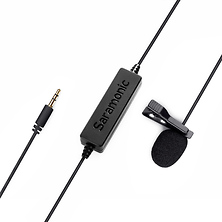



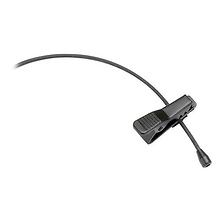
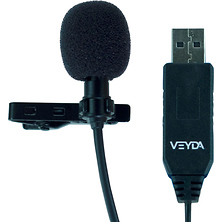
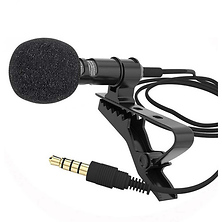
Lavalier Microphones for Professional Audio
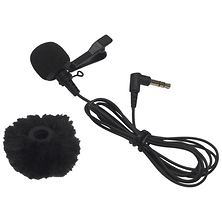
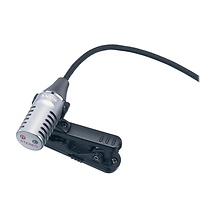
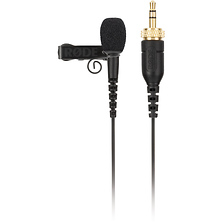
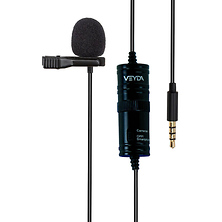
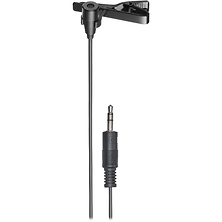
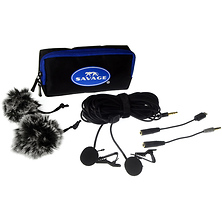
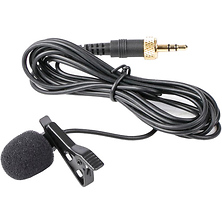
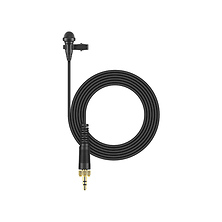
Lavalier microphones, also called lapel mics, are small, lightweight microphones designed to clip directly to a speaker's clothing near the mouth. These miniature condenser and dynamic microphones capture clear, consistent audio from a fixed distance, making them essential tools for broadcast television, film production, theater, live events, and professional interviews. Unlike handheld microphones, lavaliers keep hands free and maintain a professional appearance on camera while delivering broadcast-quality sound from an inconspicuous position.
Wired vs. Wireless Lavalier Systems
Lavalier microphones come in two primary configurations: wired and wireless systems, each suited to different production environments and workflow requirements.
Wired Lavalier Microphones
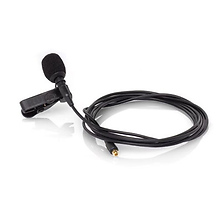
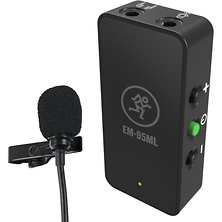
Wired lavaliers connect directly to audio equipment through balanced connectors, eliminating battery concerns and potential RF interference. The microphone capsule remains tiny and discreet while the cable runs under clothing to a portable mixer, audio interface, or camera input. This direct connection ensures zero latency and maintains full audio integrity without signal compression or digital processing.
Wired systems excel in controlled environments like broadcast studios, theater productions, and interviews where talent positioning is predictable and cable management is practical. Venues with congested RF environments often prefer wired lavaliers to guarantee reliable audio without hunting for clear frequencies.
- Direct connection to camera, mixer, or audio interface
- No battery drain or wireless interference
- Consistent, uncompressed audio signal
- Lower total system cost compared to wireless
- Ideal for stationary talent or controlled movement
Wireless Lavalier Microphones
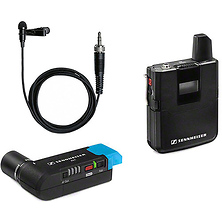
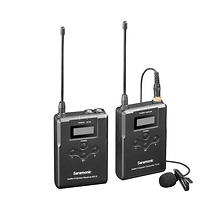
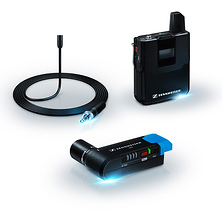
Wireless lavalier systems transmit audio from the microphone to a portable receiver worn on a belt or placed near the camera, providing complete freedom of movement without visible cables. Modern systems operate across diverse frequency bands including UHF, VHF, and digital 2.4GHz, with varying ranges and interference immunity. Professional wireless systems include automatic gain control, multiple microphone pairing options, and diversity reception that minimizes dropout in challenging RF environments.
Wireless lavaliers dominate live event production, multi-camera broadcasts, and documentary filmmaking where talent must move freely through spaces or where cable routing becomes impractical. The trade-off involves managing batteries, monitoring wireless range, and coordinating frequencies in multi-mic setups.
- Full freedom of movement without visible cables
- Professional wireless diversity reception minimizes dropout
- Multiple microphone pairing for multi-talent productions
- Extended operational range, typically 100 to 300 feet depending on system
- Automatic gain control maintains consistent audio level
Understanding Lavalier Specifications and Design
Microphone Capsule and Polar Patterns
At the heart of every lavalier lies a miniature microphone capsule, typically a condenser design that uses a small diaphragm suspended near a charged backplate. When sound waves strike the diaphragm, the varying distance changes the electrical charge and generates an audio signal. This design achieves exceptional sensitivity in extremely compact packages, with many lavaliers weighing less than half an ounce while capturing nuanced voice and ambient detail.
Lavalier pickup patterns determine directional response. Omnidirectional lavaliers pick up sound equally from all angles, practical for theater productions where actors move in multiple directions. Cardioid lavaliers reject sound from directly behind the microphone, helping reduce audience noise during live events. Supercardioid patterns provide even tighter rejection, concentrating sensitivity toward the front and narrowing the acceptance zone.
Connectors and Cable Compatibility
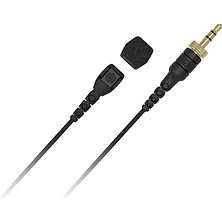
Lavalier connectors determine how the microphone physically attaches to your audio equipment or wireless system. Professional lavaliers connect through balanced connectors designed for broadcast and studio equipment. Three-pin and four-pin balanced connectors carry audio plus ground, with four-pin variants powering condenser capsules through dedicated power pins. Many professional lavaliers ship with adapter cables to bridge different connector types.
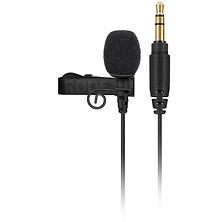
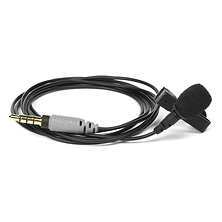
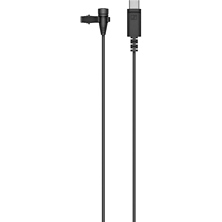
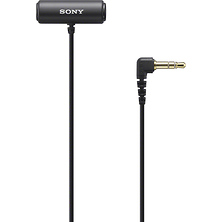
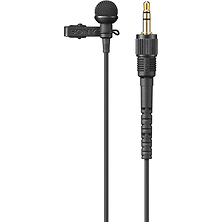
Consumer-grade lavaliers often use 3.5mm connectors found on consumer audio interfaces and some camera inputs. USB-C and Lightning connectors enable digital recording directly to smartphones and tablets. Understanding your existing audio inputs prevents incompatible purchases and ensures seamless integration.
- Three-pin and four-pin balanced connectors for professional equipment
- Miniature balanced connectors for wireless systems and field recorders
- 3.5mm connectors for consumer interfaces and camera inputs
- USB-C and Lightning options for mobile recording
- Proprietary wireless connections ensure compatibility with specific receiver systems
FAQs
What is the difference between wired and wireless lavaliers?
Wired lavaliers connect directly to audio equipment, eliminating batteries and RF interference but requiring visible cable management. Wireless systems transmit audio to a portable receiver, providing freedom of movement but requiring battery management and frequency coordination. Choose wired for controlled studio or broadcast settings; wireless for live events and remote locations where talent mobility matters.
Where should I position a lavalier on clothing?
Clip the lavalier 4 to 6 inches below the speaker's chin, centered on the upper chest. At this distance, the microphone captures clear dialogue while remaining visually discreet. The optimal position balances voice clarity with minimal visibility. Too high and it picks up breath noise; too low and the voice becomes muffled by fabric. Secure the cable under clothing to prevent rustling and handling noise.
What causes common recording problems with lavaliers?
Rustling comes from friction between cable and clothing; secure the cable with tape or clips to minimize noise. Proximity effect causes bass boost when the microphone sits too close to the mouth; move it farther away to balance tone. Wireless dropout suggests interference or range issues; check RF channel availability and antenna orientation. For wired systems, hum indicates improper grounding; verify connector integrity and ensure balanced cable runs.
Can multiple people use the same lavalier during production?
Wired lavaliers are single-position tools; moving them between people works but creates continuity issues as they capture different voices from different distances. Wireless systems designed for multiple microphones handle this smoothly. Assign different RF channels to different lavaliers, allowing multiple speakers to talk simultaneously without manual switching. For events with multiple speakers, invest in a multi-channel wireless system rather than sharing one lavalier.
Shop Lavalier Microphones at Samy's Camera
Lavalier microphones deliver broadcast-quality audio from an inconspicuous position, whether you're recording interviews, producing live events, running broadcast television, or creating online content. Explore Video & Audio equipment at Samy's Camera, including lavaliers, wireless systems, and complementary Audio equipment from brands proven in professional production. Our team helps you build an audio setup that captures clear, consistent sound in any production environment. With fast shipping and expert support, your gear arrives ready to work.