














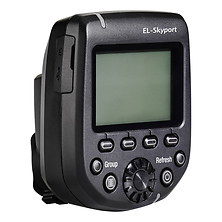
Radio Flash Triggers for Off-Camera Lighting
Remote flash triggers let you fire external flashes from a distance, giving you precise control over off-camera lighting setups. Whether you're shooting product photography in a studio, capturing portraits with rim lights, or adding fill flash to outdoor scenes, a wireless trigger system eliminates the need for cables while maintaining fast sync speeds and accurate exposure metering. Samy's Camera stocks radio-based triggers with TTL and manual operation for Canon, Nikon, Sony, and Fujifilm camera systems.
Radio-frequency flash triggers operate on dedicated 2.4GHz frequency bands, providing reliable wireless communication between your camera and remote flash units. Unlike optical triggers that require line-of-sight positioning, radio triggers work through walls, around corners, and in bright sunlight, making them ideal for complex multi-flash setups. Most radio triggers support channel or group control, allowing you to adjust flash power and placement independently while firing from a single transmitter mounted on your camera's hot shoe.
TTL Pass-Through Triggers
TTL (Through-The-Lens) pass-through triggers preserve your camera's metering intelligence, automatically adjusting flash exposure based on the light your camera sensor measures. This means you maintain full E-TTL (Canon), i-TTL (Nikon), ADI (Sony), or TTL (Fujifilm) compatibility across all flash modes. TTL triggers work best when you want speed and reliability in changing light conditions, such as event photography or fast-paced studio sessions where manual adjustments would slow you down.
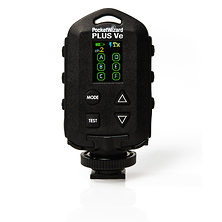
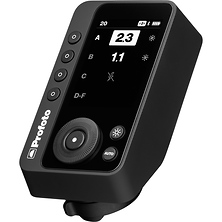
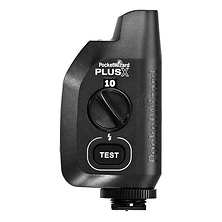
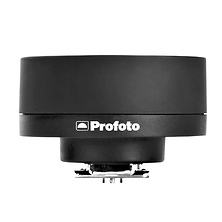
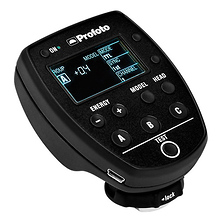
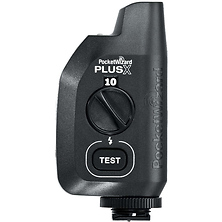
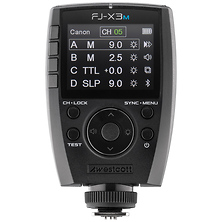
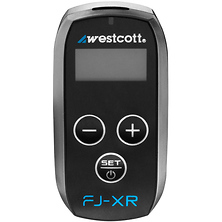
PocketWizard offers TTL transceivers for Canon and Nikon systems. Profoto provides TTL-compatible wireless remotes across multiple camera brands. Westcott specializes in touchscreen wireless triggers for Sony. These systems maintain full camera metering through the wireless link.
High-Speed Sync (HSS) Capability
HSS allows you to fire your flash at shutter speeds faster than your camera's standard sync speed (typically 1/200 or 1/250 of a second). This capability opens up creative possibilities: fill flash in bright daylight without neutral-density filters, shallow-depth-of-field portraits with flash-lit backgrounds, and freeze-frame action photography with continuous on-camera flash. HSS triggers pulse the flash rapidly to match your camera's fast shutter, enabling natural-looking flash exposure at faster speeds.
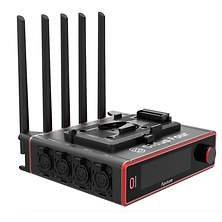
Several manufacturers including PocketWizard, Profoto, and Aputure offer HSS-capable systems, making them excellent choices for hybrid indoor-outdoor work. Check product specs to confirm HSS support for your camera brand before purchase.
Manual Trigger Systems
Manual triggers ignore TTL metering and let you set flash power manually in 1/3-stop increments, giving you complete creative control and predictable results in repetitive shooting scenarios. Manual systems often have longer effective range and simpler operation, making them reliable options for studio work, product photography, and group flash setups where you want consistency across multiple shots.
Who Uses Remote Flash Triggers
Professional portrait photographers rely on off-camera flash to sculpt light and separate subjects from backgrounds. Event photographers use multiple triggers to fire fill flash, backlight, and ambient-balancing flashes simultaneously across a venue. Product and commercial photographers employ trigger systems in studio setups where precise power control and wireless positioning enable creative lighting designs. Wedding photographers and fashion teams also benefit from HSS capability to shoot outdoor ceremonies and location sessions with flash fill in daylight.
Understanding Flash Trigger Compatibility
Flash trigger selection depends on your camera brand and flash type. Canon shooters have options in TTL-compatible wireless triggers from multiple manufacturers. Nikon users can select from systems designed specifically for Nikon i-TTL metering. Sony photographers benefit from triggers engineered for Sony's flash communication protocols. Fujifilm camera owners should verify trigger compatibility with Fujifilm's wireless flash system.
Verify that your external flash unit supports wireless triggering. Most modern speedlights and external flashes include wireless receiver capabilities. Studio strobes may require a separate wireless receiver module attached to the strobe. Browse Flashes & Accessories to find matching flash units and receivers for your trigger system.
Key Features to Compare
When evaluating trigger systems, consider the following dimensions:
- Communication frequency: 2.4GHz triggers offer superior performance in RF-congested environments like events and studios compared to older 900MHz systems. Effective range typically spans 150 to 300+ feet in open space, though walls, metal structures, and radio interference can reduce distance. Radio triggers generally maintain range better than optical systems.
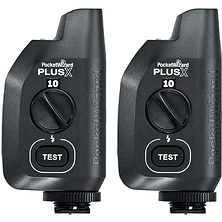
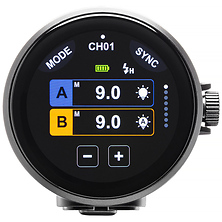
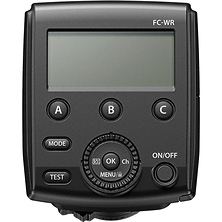
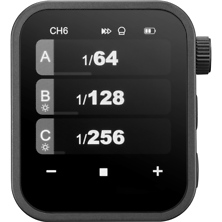
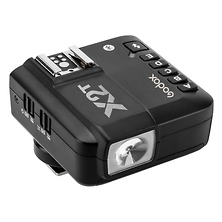
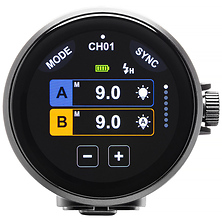
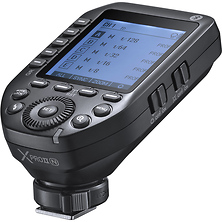
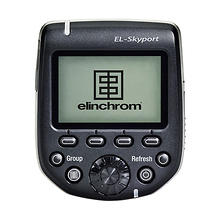
- Transmitter design: Some triggers feature touchscreen menus for intuitive power adjustment; others use simplified dial-based controls for quick manual changes during fast-paced shoots. Both approaches work well depending on your workflow preference.
- Cross-camera support: Some triggers are camera-brand-specific for full TTL metering, while others function as manual-only systems across multiple camera types. Confirm whether you need brand-specific TTL or multi-brand manual capability.
Explore Studio & Lighting for trigger-compatible lighting equipment and modifiers.
Frequently Asked Questions
What is the difference between TTL and manual flash triggers?
TTL triggers use your camera's meter to set flash exposure automatically, adjusting power based on ambient light. Manual triggers require you to dial in flash power by hand. TTL is faster for variable lighting; manual gives you total control for consistent studio work.
Can I use a TTL trigger with an older flash that doesn't support TTL?
Yes. Most TTL triggers also support manual mode, allowing you to trigger older flashes while setting power manually. Check the trigger's specs to confirm manual fallback capability before purchasing.
What range can I expect from a 2.4GHz radio trigger?
Radio triggers typically offer effective range from 150 to 300+ feet in open space, though walls, metal, and interference can reduce distance. 2.4GHz signals are more reliable than older 900MHz systems and perform well in crowded RF environments like events and studios.
Do I need a separate receiver for each off-camera flash?
No. One transmitter (mounted on your camera) can fire multiple flash units if you place separate receivers on each flash or mount them to the flash's hot shoe. Group and channel controls let you adjust multiple flashes independently from a single transmitter.
Are radio triggers compatible with studio strobes and speedlights?
Yes, with caveats. Speedlights (compact flashes) often have built-in wireless capability; studio strobes usually require a separate wireless receiver module attached to the strobe. Always verify receiver compatibility with your specific strobe model before purchase.
How do I choose between brand-specific and multi-brand trigger systems?
Brand-specific TTL triggers (designed for Canon, Nikon, Sony, or Fujifilm) deliver full metering automation with that camera system but may not work with other brands. Multi-brand manual triggers provide flexibility across camera systems but require manual power adjustment. Consider whether you shoot with multiple camera brands or plan to expand your gear: brand-specific TTL offers maximum efficiency; multi-brand manual offers adaptability.
Shop Remote Flash Trigger Systems at Samy's
Wireless flash triggers unlock creative lighting freedom for studio, location, and event work. Start with your camera brand and primary shooting scenario (TTL for variable light, manual for consistent studio work). Check Light Stands & Grip Equipment for mounting solutions. Browse Portable Strobe Lighting to build complete off-camera lighting rigs. Call Samy's expert team to discuss the right trigger setup for your next shoot.