











Collectible Cameras for Working Photographers and Collectors
Photography collectibles preserve the craftsmanship and innovation that shaped the medium. From rangefinder cameras and medium format systems to rare vintage lenses, collectible gear appeals to photographers, historians, and enthusiasts who value both working cameras and pieces of photographic history. Samy's Camera curates a selection of collectible cameras and accessories spanning decades of design and engineering, offering pieces that function as both practical tools and display-worthy items.
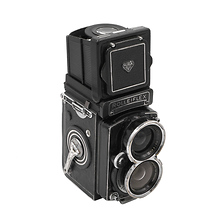
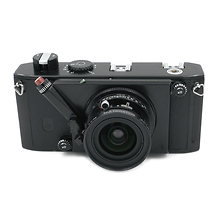
Collectible cameras represent photography at different technical and artistic peaks. Some were designed for professional use and remain fully functional today. Others document the evolution of camera design from mechanical to electronic systems. Many collectors seek specific brands for their optics, shutter technology, or historical significance. Whether you're looking for a rangefinder camera to shoot with or a display piece to appreciate the engineering, vintage equipment offers character and reliability that modern cameras sometimes lack.
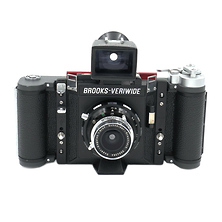
Rangefinder and Medium Format Classics
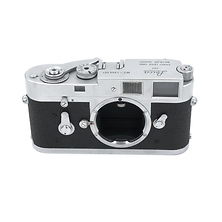
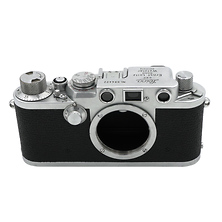
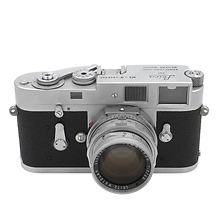
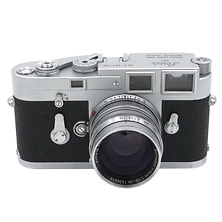
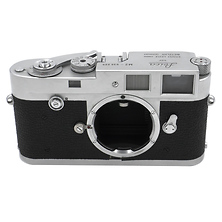
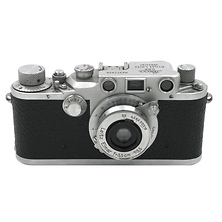
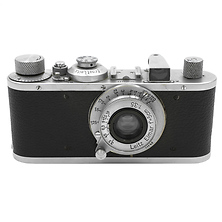
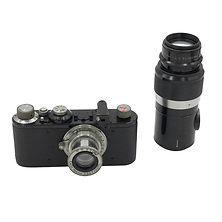
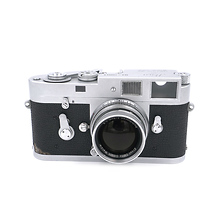
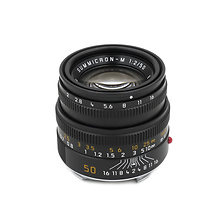
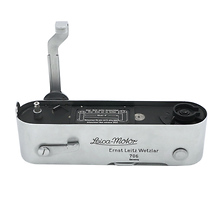
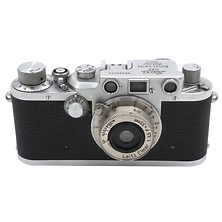
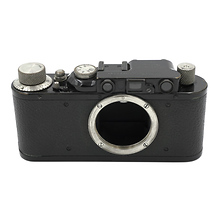
Leica rangefinder cameras dominate the collectible market because they set the standard for portable, precision-built photography equipment. The M-series body design has remained largely unchanged since the 1950s, making Leica cameras instantly recognizable and highly sought by working photographers and collectors alike. M2, M3, and M4 variants appear regularly in the vintage market, each with subtle mechanical differences that appeal to enthusiasts.
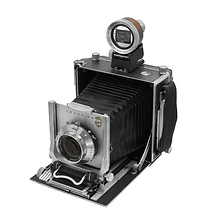
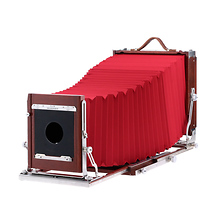
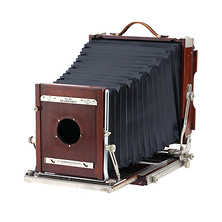
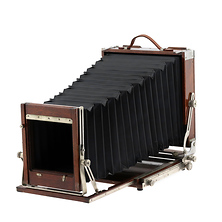
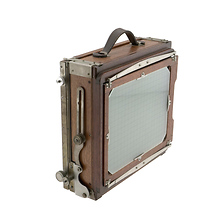
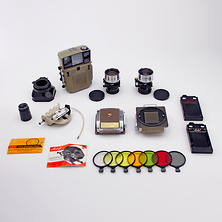
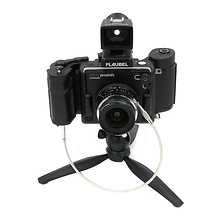
Hasselblad medium format systems represent the opposite end of the camera spectrum, built for controlled studio and professional use. The 500-series modular design and Carl Zeiss optics made Hasselblad cameras the choice for fashion, commercial, and editorial photography for decades. Deardorff view cameras bring large-format precision to the collectible category, with each hand-built wooden body representing meticulous craftsmanship. Contax rangefinders and Voigtlander optics round out the collection for photographers seeking alternatives to the more common Leica systems.
Why Photographers Collect Vintage Equipment
Working photographers collect vintage cameras because mechanical systems eliminate digital complexity. A mechanical shutter, no batteries, and simple optics can deliver stunning results in any light condition. Film forces intentional composition in ways digital shooting sometimes discourages.
Image collectors and historians value cameras as cultural artifacts. A Leica M3 from 1954 shows how manufacturers solved the rangefinder problem. A Hasselblad medium format body documents engineering philosophy from an era before digital capture. Zeiss lenses from mid-century show optical design choices that influenced lens development for decades.
Some collectors focus on specific models or production years. Japanese rangefinders like the Contax line, British mechanical cameras, or German precision tools each have devoted followings. Rarity, production numbers, and condition drive collecting decisions for those building specialized collections.
Optical Performance and Build Quality
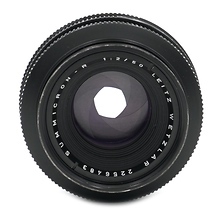
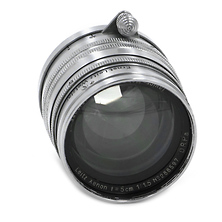
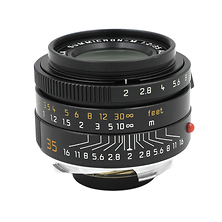
Vintage optics often outperform expectations. Leica M-mount lenses from the 1950s and 1960s produce character and rendering that modern digital lenses sometimes lack. Hasselblad's partnership with Carl Zeiss produced medium format lenses of exceptional sharpness and color rendition. The glass itself doesn't age significantly, though internal elements may show fungus or haze depending on storage conditions. Many vintage lenses remain fully capable of professional use today.
Build quality sets collectible equipment apart from consumer-grade cameras. All-metal bodies, leather coverings, and mechanical precision create tools that last generations. Rangefinders feature precision-engineered rangefinder mechanisms that show minimal wear even after 70 years. Medium format bodies accept interchangeable backs and lenses, making them modular systems that adapted to different shooting scenarios.
- Leica rangefinders: M-mount interchangeable lenses and precision mechanical shutters
- Hasselblad medium format: Modular backs, interchangeable prisms, Zeiss optics
- Deardorff view cameras: Hand-built large format, monorail design, precision movements
- Contax rangefinders: Japanese engineering with Zeiss optics and leaf shutters
- Voigtlander optics: Compact rangefinder systems with distinctive rendering
Condition and Functionality Assessment
Collectible cameras exist on a spectrum from cosmetic display pieces to daily shooters. Understanding condition terminology helps buyers make informed decisions. LIKE NEW (10): Includes original box, accessories and instructions. Equipment rates 95% to 100% of original new condition. Extremely low shutter count. EXCELLENT (9): Equipment rates 90% to 94% of original condition. Exceptional condition with slight wear. Very low shutter count. VERY GOOD (8): Equipment rates 80% to 89% of original condition. Shows moderate wear, possible small dings and blemishes. Low shutter count. GOOD (7): Equipment rates 70% to 79% of original condition. More than average wear, may have dents, dings and worn finishes. Moderate shutter count. FAIR (6): Equipment has heavy use and wear. High shutter count. AS IS OR FOR PARTS (5): Equipment may not be in working condition and is intended for parts only. Equipment is sold as-is without warranty and is not eligible for return.
Functionality matters for working photographers. Shutter speeds should operate smoothly across the full range. Light meters, if present, should respond to light. Rangefinder mechanism should show clear contrast between split prism and field. Lenses should focus smoothly without grinding or resistance. Cosmetic wear matters less to those buying functional tools but matters significantly to collectors seeking pristine examples.
Frequently Asked Questions
Can I shoot with a collectible vintage camera?
Yes. Most collectible cameras remain fully functional shooting tools. Mechanical shutters, manual focus, and simple optics require no electronics or special film. A Leica M camera from 1954 in good condition can take pictures just as well today as it did when new. Hasselblad medium format bodies accept modern film and produce negatives identical to those shot decades ago. The main difference is learning manual operation, but photographers who grew up with mechanical cameras consider this simplicity an advantage.
What makes a vintage camera collectible rather than just old?
Rarity, build quality, and historical significance distinguish collectible cameras from simply used equipment. Common models like the Pentax K1000 or Canon AE-1 are useful vintage cameras but appear regularly in the secondhand market. Leica M-series cameras, Hasselblad systems, Contax rangefinders, and Deardorff view cameras represent peaks of engineering or design that influence camera manufacturing today. Fewer examples survived, making surviving cameras more desirable. Condition significantly affects collectibility. A minty Leica M3 commands multiples of the price of a heavily worn example, even though both work identically.
Do vintage lenses work with modern cameras?
Some vintage lenses adapt to modern camera systems through mechanical adapters, though older lenses may lack electronic communication with digital bodies. A Leica M-mount lens adapts to Sony mirrorless cameras with an adapter ring. Manual focus is required, but many photographers prefer this approach for classic rendering. Hasselblad CF lenses, designed for the V-system, can be used on modern digital systems like the 907X, X1D, or X2D using the XV Adapter, allowing manual aperture and shutter control. They offer a unique, vintage rendering with smooth bokeh on high-resolution sensors. Vintage optics require manual focus in most cases, which many photographers consider an advantage rather than a limitation.
Should I invest in vintage cameras expecting appreciation?
Collectible cameras can appreciate in value, particularly rare models in exceptional condition. A Leica M3 or Hasselblad 500C system may hold or increase in value over time. Condition deterioration, changes in collecting preferences, and the market's natural fluctuations mean some cameras appreciate while others depreciate. Buy what excites you photographically rather than what you think will appreciate fastest.
How do I preserve a vintage camera collection?
Storage conditions matter more than frequent use. Keep cameras in a cool, dry place away from direct sunlight and humidity extremes. Fungus and haze develop inside lenses in humid environments. Many collectors use silica gel desiccant in storage cases to control moisture. Regular use actually preserves mechanical cameras better than storage, since oils and lubricants benefit from regular movement. If storing long-term, wind the shutter periodically to keep mechanisms from freezing. Have shutters serviced if they become sluggish. Modern lubricants designed for vintage equipment prevent wear better than leaving mechanisms inactive.
Where does Samy's source vintage and collectible cameras?
Samy's acquires pre-owned camera gear through collector downsizing and trade-ins from photographers upgrading equipment. Each piece is evaluated for functionality and condition before listing. Our team tests cameras thoroughly, documents cosmetic condition honestly, and prices fairly based on rarity, functionality, and market comparables. This sourcing approach means inventory changes constantly as new pieces arrive and collectors acquire what they seek.
Start Your Collectible Camera Collection at Samy's Camera
Collectible cameras connect photographers to decades of optical and mechanical innovation. Whether you seek a functional rangefinder system, a complete medium format kit, or a display-worthy vintage lens, Samy's Camera carries curated selections from the brands that defined photography. Browse Leica, Hasselblad, Deardorff, Contax, and Zeiss equipment from collectors and professionals. Our team answers questions about condition, functionality, and compatibility. Shop online for fast shipping or visit a Samy's location to inspect pieces in person.