









CompactFlash CF Memory Cards for Professional Cameras
CompactFlash CF memory cards deliver the speed, capacity, and durability required for demanding photography and video projects. Known for their robust design and consistent write performance, these cards remain the trusted choice for professional DSLRs, medium format cameras, and digital cinema equipment. Samy's Camera offers a carefully selected range of CompactFlash cards built to handle professional workloads with reliability that photographers depend on.
While formats like CFexpress have emerged in the latest mirrorless systems, CompactFlash cards continue serving working professionals using Canon 5D series bodies, Nikon D-series DSLRs, and medium format systems where proven performance matters.
Understanding CompactFlash Card Specifications
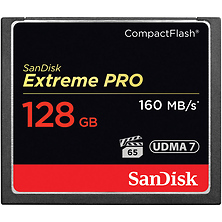
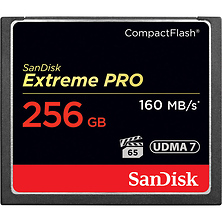
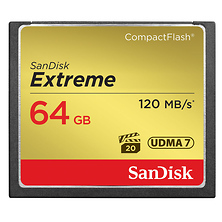
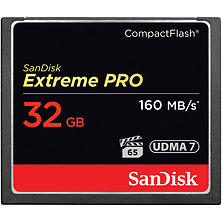
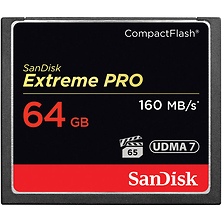
CompactFlash cards use UDMA (Ultra Direct Memory Access) ratings to indicate transfer speeds. UDMA 7 cards offer the fastest performance with read speeds reaching 160MB/s and write speeds up to 150MB/s. These speeds support continuous burst shooting, high-resolution RAW capture, and 4K video recording without dropped frames.
Professional CF cards also feature VPG (Video Performance Guarantee) ratings. VPG-65 cards maintain a minimum sustained write speed of 65MB/s, supporting cinema-quality 4K video recording. VPG-20 cards guarantee 20MB/s sustained speeds, sufficient for Full HD video and rapid burst photography.
The physical construction sets CompactFlash apart from consumer card formats. Molded and anodized metal outer casings protect against impact forces exceeding 80 pounds, while internal components withstand temperatures from 0°C to 70°C. This rugged design explains why professionals working in challenging field conditions rely on CF cards for data security.
CompactFlash Card Types and Compatibility
CompactFlash cards come in two physical formats. Type I cards measure 3.3mm thick and fit all CF card slots. Type II cards measure 5mm thick and require wider slots. Most modern DSLRs accept both types, but always verify your camera's specifications before purchasing. Type II slots were originally designed for Microdrive hard disks, which are no longer manufactured.
CompactFlash cards are designed with a durable shell and advanced flash memory, making them ideal for environments where reliability and speed matter most. Look for models with fast write speeds if you're shooting in burst mode or recording high-bitrate video. Many CF cards also feature error correction and wear-leveling technology for long-term performance. After capturing your media, consider offloading to Storage Drives to safeguard your files.
Professional Use Cases for CompactFlash Cards
High-Speed CompactFlash Cards
These cards are optimized for rapid data writing during continuous burst shooting. Sports photographers, wildlife shooters, and photojournalists working with high-resolution DSLRs benefit from write speeds that prevent buffer delays. Cards rated UDMA 7 with write speeds of 120MB/s or higher ensure your camera can capture every frame during critical moments.
High-Capacity CompactFlash Cards
Designed to handle extended shoots, these models offer larger storage capacity for RAW image capture and long-form video recording. Capacities ranging from 64GB to 256GB reduce the need for mid-shoot card changes during weddings, commercial productions, or documentary filming.
Industrial-Grade CF Cards
Built with enhanced materials and rigorous testing standards, industrial-grade CF cards serve mission-critical applications. These cards undergo temperature cycling, vibration testing, and accelerated aging to verify long-term reliability. Medical imaging equipment, scientific research cameras, and broadcast video systems often specify industrial-grade cards for their failure-resistant construction.
Workflow Integration and Data Management
CompactFlash cards integrate into professional workflows through dedicated card readers. UDMA 7-enabled readers connected via USB 3.0 or Thunderbolt maintain the high transfer speeds these cards offer. Many professionals use Card Readers & Adapters that support multiple card formats, allowing seamless transitions between different camera systems.
Professional practice suggests using multiple smaller-capacity cards rather than one large card. This strategy spreads risk across multiple storage devices. If one card experiences corruption or failure, you've only lost a portion of your shoot rather than an entire day's work. Many working photographers carry 32GB or 64GB cards rather than relying on single 256GB cards.
Benefits of CompactFlash Cards
CompactFlash cards offer advantages that keep them relevant in professional photography:
- Reliable Performance: Consistent data writing for high-resolution files and video without random stops or dropped frames
- Durable Build: Thick, rigid metal construction protects against physical damage and impact forces
- Long-Term Storage: Designed for data stability over time with error correction and wear-leveling technology
- Broad Compatibility: Widely supported in professional DSLR cameras, medium format bodies, and digital cinema equipment
- Proven Track Record: Decades of field use in professional environments have established CF cards as dependable storage media
Frequently Asked Questions
Are CompactFlash cards still supported by modern cameras?
Many high-end DSLR and medium format cameras continue using CF cards due to their proven reliability and performance. Canon 5D series, Nikon D-series professional bodies, and Hasselblad medium format systems maintain CF card support. While newer mirrorless cameras have adopted CFexpress and XQD formats, working professionals with existing DSLR systems rely on CompactFlash cards for their established workflows.
How do I transfer files from a CF card to my computer?
Use a compatible CF card reader to move files quickly and securely. For maximum transfer speeds, use a UDMA 7-enabled card reader connected via USB 3.0 or faster. Standard USB 2.0 connections create bottlenecks that prevent CF cards from reaching their full speed potential. Direct card-to-computer transfers dramatically reduce time spent waiting for files to copy, accelerating your post-production workflow.
What's the difference between CompactFlash and CFast cards?
CFast cards look similar but use a Serial ATA interface instead of the Parallel ATA interface in CompactFlash cards. CFast cards offer higher theoretical speeds and appeared primarily in Canon cinema cameras before being largely replaced by CFexpress. The two formats are not physically compatible, so you cannot use a CF card in a CFast slot or vice versa. Always verify which format your camera requires.
Do CompactFlash cards work with card adapters?
CompactFlash cards can be used with PC Card adapters for direct insertion into PCMCIA slots found in some older laptops and industrial equipment. For computer connectivity, dedicated CF card readers provide better performance and broader compatibility than passive adapters. Avoid using IDE or SATA adapters unless you specifically need CF cards functioning as solid-state drives in embedded systems.
Shop CompactFlash Cards at Samy's Camera
CompactFlash cards remain a dependable choice for professionals who need speed and resilience on every shoot. Whether you're capturing rapid-fire sequences with a Canon 1D-series body, recording high-bitrate video, or working with medium format equipment, CompactFlash cards provide the performance foundation your workflow requires. Samy's Camera stocks cards from trusted manufacturers with capacities and speeds matched to professional camera systems.