

















Choosing the Right Camera Lens for Your Photography
Camera lenses are the heart of what you see through your viewfinder. Whether you're capturing portraits, landscapes, wildlife, or video, the right lens shapes your creative possibilities. At Samy's Camera, we carry lenses for every mount, focal length, aperture, and use case-from affordable entry-level zooms to professional-grade primes and specialized optics. Finding the perfect lens starts with understanding what you're shooting.
Selecting a lens is one of the most personal decisions you'll make as a photographer. Your choice directly impacts image quality, creative control, and whether you can capture the shot you envision. Lens selection depends on several factors: the camera body you own (Canon, Nikon, Sony, Fujifilm, Panasonic, Leica), your shooting style, the subjects you pursue, and your budget. A wedding photographer needs different glass than a wildlife shooter or a video content creator. Understanding lens types, focal lengths, and apertures helps you build a kit that grows with your skills.
Understanding Focal Length and Angle of View
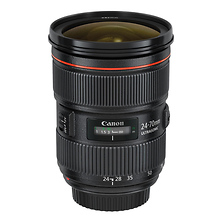
Focal length-measured in millimeters (mm)-determines how much of a scene your lens captures. A 24mm lens captures a wide field of view, ideal for landscapes and architecture. A 50mm lens renders a natural perspective close to human vision, making it popular for everyday photography and portraits. A 200mm telephoto lens compresses perspective and brings distant subjects closer, essential for wildlife and sports. Zoom lenses cover multiple focal lengths in one package-a 24-70mm zoom works for landscapes, people, and detail shots without changing glass.
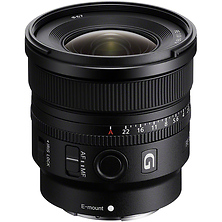
Understanding the relationship between focal length and angle of view helps you anticipate what your shots will look like before you press the shutter. Wide-angle lenses (14-35mm) create immersive environmental portraits and show expansive landscapes. Standard focal lengths (35-85mm) render subjects naturally and work across many genres. Telephoto lenses (70-600mm) isolate distant subjects and compress background layers, crucial for sports, bird watching, and documentary telephoto work.
Aperture: Light Gathering and Depth of Control
Aperture, expressed as f-numbers (f/1.4, f/2.8, f/5.6), controls how much light reaches your sensor and how much of your image stays in sharp focus. A wider aperture (lower f-number like f/1.4) gathers more light and creates shallow depth of field with creamy blurred backgrounds. A narrower aperture (higher f-number like f/16) gathers less light but keeps more of your scene sharp from foreground to background. Fast lenses with f/2.8 or wider apertures excel in low light and enable dramatic subject isolation for portraits.
Aperture also affects autofocus speed and accuracy. Lenses with wider maximum apertures focus faster and work more reliably in dimly lit environments. For video work, fast lenses give you creative control over focus falloff and allow shooting with smaller sensor gains in variable lighting.
Prime Lenses vs. Zoom Lenses
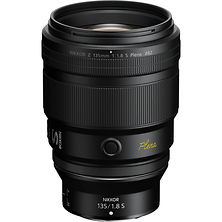
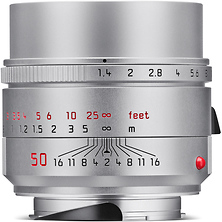
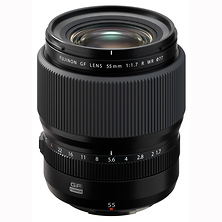
Prime lenses have a fixed focal length-a 35mm prime, a 85mm prime, a 200mm prime. They're typically lighter, faster (wider aperture), and produce excellent optical quality. Prime lenses encourage you to move your body and think compositionally about framing. They're popular with photographers who value image sharpness and minimal optical compromise.
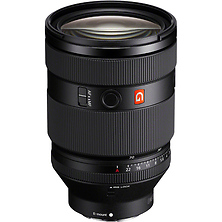
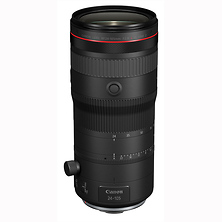
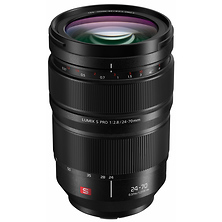
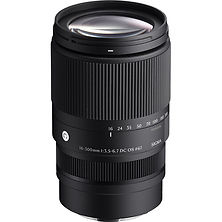
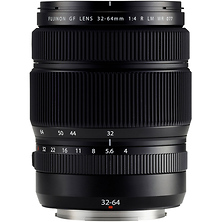
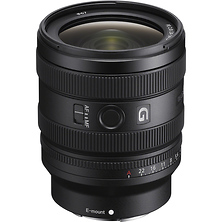
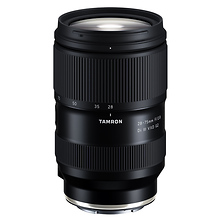
Zoom lenses cover a range of focal lengths (24-70mm, 70-200mm, 18-135mm) in one package. They reduce the number of lenses you need to carry and make it faster to frame shots without changing glass. Modern zoom lenses deliver exceptional sharpness and optical correction. For travel, event coverage, and situations where you can't physically reposition, zooms offer tremendous practical value.
Specialty Lenses for Specific Genres
Beyond standard primes and zooms, specialty lenses unlock creative capabilities:
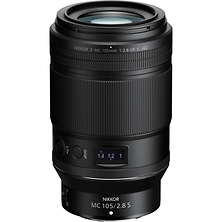
- Macro lenses (50-200mm macro focal lengths) focus extremely close, revealing detail in flowers, insects, and small products. They're essential for macro and product photography.
- Tilt-shift lenses create miniature effects and correct perspective distortion in architectural photography. They're specialized tools with specific use cases.
- Fisheye lenses (8-16mm) capture extreme wide-angle fields of view approaching 180 degrees, creating dramatic, immersive compositions for creative and architectural work.
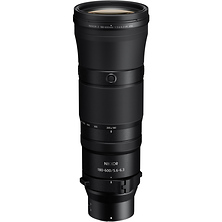
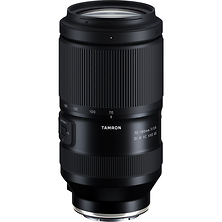
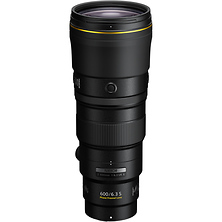
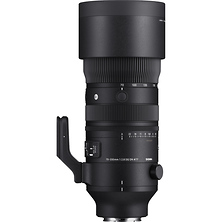
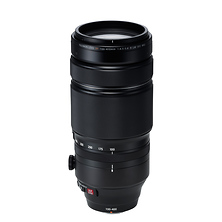
- Telephoto lenses (70-600mm) compress perspective and isolate distant subjects. Wildlife and sports photographers rely on them.
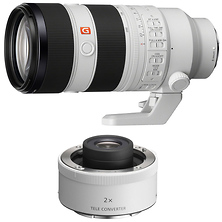
- Teleconverters (1.4x, 2.0x) multiply your existing telephoto focal length, extending reach without investing in additional glass. A 200mm with a 2.0x teleconverter becomes 400mm.
Camera Mount Systems
Your camera body's mount system determines what lenses you can use. Canon bodies use Canon EF (full-frame DSLRs), Canon RF (mirrorless), or Canon EF-M (older mirrorless) mounts. Sony E-mount is used across all Sony mirrorless bodies. Nikon Z-mount powers mirrorless bodies, while older DSLR bodies use F-mount. Fujifilm X-mount and Panasonic L-mount (shared with Leica) define their ecosystems. Leica L-mount lenses are interchangeable across Panasonic and Sigma L-mount cameras, while Leica M-mount lenses require an adapter for use on other systems. Choosing your first camera body partly determines your lens ecosystem for years. Consider each manufacturer's lens roadmap and third-party support from brands like Sigma and Tamron when making your choice.
Building a Lens Kit That Grows With You
Most photographers don't buy all their lenses at once. Your kit grows organically based on what you shoot. A typical starting point might be a versatile zoom covering 24-70mm, which handles landscapes, people, and travel photography. As you discover your interests, you can add specialized glass.
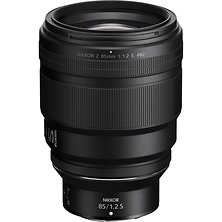
A landscape photographer might add an ultra-wide lens (16-35mm) to capture expansive vistas and a telephoto zoom (70-200mm) for compressed perspective and distant details. A portrait photographer might invest in a fast 85mm prime for striking separation and beautiful bokeh. A wildlife photographer would prioritize a long telephoto like a 100-400mm or 200-600mm to reach distant subjects. A video creator might choose lenses with smooth focus transition and minimal focus breathing.
Lens cases and protective pouches keep your glass safe while traveling. Lens accessories like filters, cleaning kits, and lens caps complete your kit. Budget allocation matters-many professionals suggest spending twice as much on lenses as camera bodies, since optics affect image quality more directly.
Who Uses Different Lens Types
Landscape photographers gravitate toward ultra-wide and standard zoom lenses, plus ND filters for long exposures. Portrait photographers favor fast primes (35mm, 50mm, 85mm, 135mm) that isolate subjects. Wedding photographers carry versatile zooms and fast primes covering 24mm through 85mm for flexibility. Documentary and street photographers love fast 35mm and 50mm primes for their compact size and optical quality. Video creators prioritize lenses with smooth autofocus, internal focus mechanisms, and consistent aperture across the zoom range.
Macro photographers invest in dedicated macro lenses or teleconverters that enable extreme close focus. Astrophotographers prioritize fast, wide lenses (14mm f/2.8, 24mm f/1.4) that gather starlight efficiently. Sports photographers need long telephoto reach (70-200mm f/2.8 or longer) and fast autofocus.
Frequently Asked Questions
What's the difference between autofocus speed ratings (AF-S, STM, etc.)?
Different manufacturers use different acronyms for autofocus systems. Canon uses USM (Ultrasonic Motor), Nikon uses AF-S (Silent Wave Motor), Sony uses SSM, and Fujifilm uses XC or X. These indicate the type of autofocus motor. All modern AF systems are fast enough for most shooting situations. More relevant is the number of autofocus points and the tracking algorithm, which affect how reliably the lens locks onto moving subjects.
Do I need to buy lenses from the same manufacturer as my camera body?
You can mix manufacturers. Third-party brands like Sigma and Tamron make lenses for Canon, Nikon, Sony, Fujifilm, and other mounts. They often offer excellent value compared to native lenses. The trade-off is that third-party lenses may not have firmware updates as quickly and may lack advanced autofocus features on newer camera bodies. For critical work, native lenses provide guaranteed compatibility.
What's the relationship between focal length and depth of field?
At a given aperture, wider focal lengths (like 24mm) produce greater depth of field (more of the image stays sharp). Longer focal lengths (like 200mm) at the same aperture produce shallower depth of field (more blur in the background). Wider apertures always create shallower depth of field regardless of focal length. A 50mm f/1.4 lens creates more background blur than a 50mm f/8, and a 85mm f/1.4 creates more blur than a 50mm f/1.4 at the same distance.
How do I choose between a zoom and a prime for travel photography?
If you want to pack light and minimize lens changes, a versatile 24-70mm zoom or 18-135mm zoom is practical. If you value compact size and don't mind changing lenses, a pair of primes like 35mm and 85mm give you creative control in a smaller footprint. Consider how much switching lenses bothers you and how much weight you're willing to carry. Many travel photographers compromise with one or two zooms that cover their most-used focal lengths.
What lens should a beginner buy first?
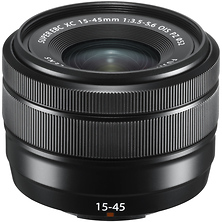
Start with a versatile 24-70mm or 18-55mm zoom if your camera didn't include a kit lens. These cover landscapes, people, and details without changing glass. As you shoot, you'll discover whether you gravitate toward wider or longer focal lengths. After 3-6 months of shooting, your preferences will guide your next lens purchase.
How do I maintain and protect my lenses?
Keep front and rear caps on lenses when not in use. Use UV filters or clear protective filters on the front of valuable lenses-if you drop a lens, the filter takes the impact instead of the lens element. Store lenses in cases or a bag to prevent dust accumulation and damage. Clean the lens exterior with a microfiber cloth. Use a blower to remove dust before using a cleaning solution. Avoid touching lens elements directly.
Shop Lenses at Samy's Camera
Whether you're building your first kit, adding specialized lenses for new genres, or upgrading to newer optical technology, Samy's Camera carries a complete selection of lenses for every mount and budget. Browse lenses by focal length, aperture, camera system, and brand. Our team provides expert advice, fast shipping, and support for photographers at every level. Find your next lens and expand your creative possibilities.