












Film and Darkroom Supplies for Analog Photography
Film cameras and darkroom equipment continue to draw photographers who value the hands-on process of analog image-making. Whether you shoot 35mm, medium format, or instant film, Samy's Camera stocks the supplies you need to capture, develop, and print photographs using traditional chemical processes. From fresh film stocks to complete darkroom setups, our selection supports photographers at every skill level who want to work with tangible negatives and prints.
Types of Film Available
Film photography begins with choosing the right format for your camera and creative goals. Understanding the characteristics of each format helps you select film that matches your shooting style and intended output.
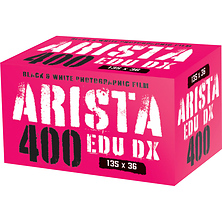
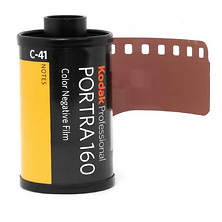
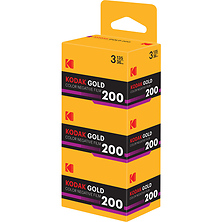
- 35mm Film: The most widely used format, compatible with a broad range of film cameras. Available in color negative (C-41 process), color reversal/slide (E-6 process), and black-and-white emulsions. Roll lengths typically include 24 or 36 exposures.
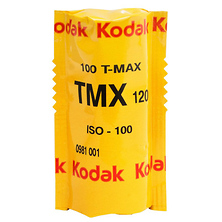
- Medium Format (120 Film): Larger negative size delivers finer detail and smoother tonal gradations. Used in medium format cameras for portrait, landscape, and fine art work. Produces 6x4.5, 6x6, 6x7, or 6x9 cm images depending on camera design.
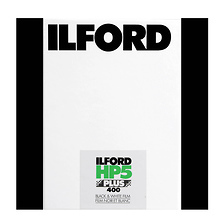
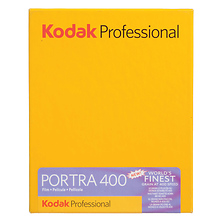
- Large Format (4x5 and 8x10): Sheet film loaded into view cameras for maximum image quality. Favored by architectural and fine art photographers who need precise perspective control and extensive post-capture cropping flexibility.
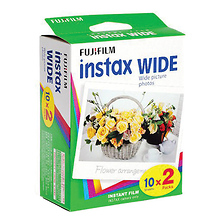
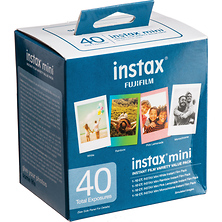
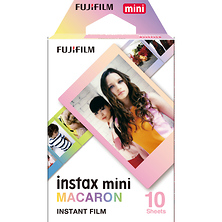
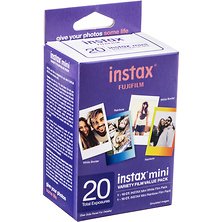
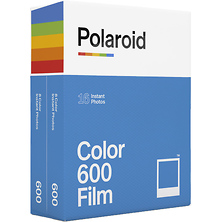
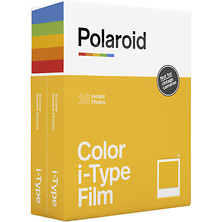
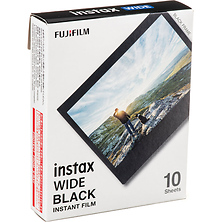
- Instant Film: Self-developing prints that emerge from the camera within minutes. Compatible with Polaroid and Fujifilm Instax cameras. Available in various frame sizes and color/monochrome options.
Film Brands and Emulsion Types
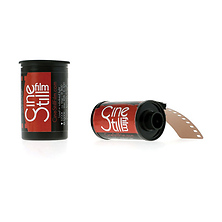
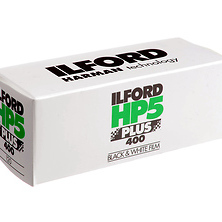
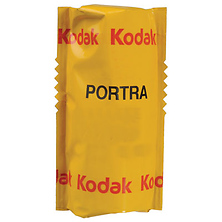
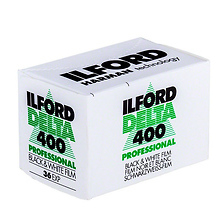
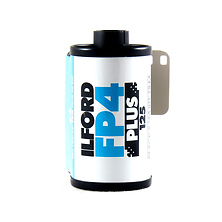
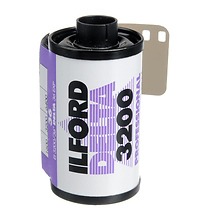
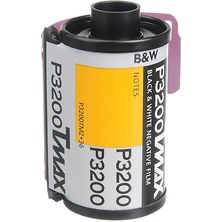
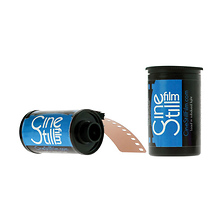
Major film manufacturers offer distinct characteristics suited to different applications. Color negative films from Kodak, Fujifilm, and Cinestill provide latitude for exposure variation and scan well for digital output. Slide films deliver saturated colors and fine grain for projection or high-quality scanning. Black-and-white films from Ilford, Kodak, and Foma offer options ranging from fine-grain technical films to high-speed emulsions for low-light shooting.
Darkroom Equipment Categories
Building a functional darkroom requires equipment for film processing and print production. Each stage of the workflow has dedicated tools designed for precision and consistency.
Film Developing Equipment
Developing tanks and reels form the core of film processing. Daylight tanks allow you to load exposed film onto spiral reels in complete darkness, then process in normal room light. Tanks accommodate 35mm, 120, and 220 film sizes, with adjustable reels that switch between formats. Accurate thermometers and timers ensure consistent development results across batches.
Enlargers and Printing
Enlargers project negatives onto photographic paper to create prints at various sizes. Condenser and diffusion head designs produce different contrast characteristics. Enlarging lenses focus the projected image with precision, while easels hold paper flat and define print borders. Multigrade filters allow contrast control when printing on variable-contrast paper.
Processing Trays and Chemistry
Print processing requires a sequence of trays containing developer, stop bath, and fixer solutions. Trays come in sizes matching common paper dimensions from 5x7 through 16x20 inches. Print tongs transfer paper between solutions without contaminating chemicals. Safelights provide working illumination without fogging light-sensitive materials.
Darkroom Chemicals and Paper
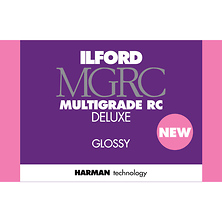
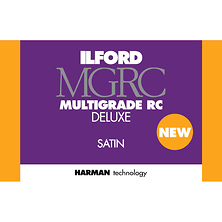
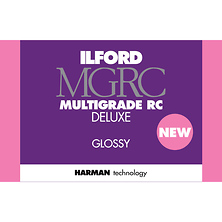
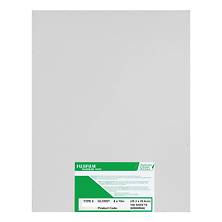
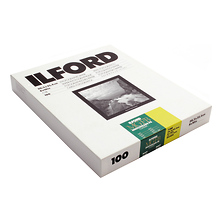
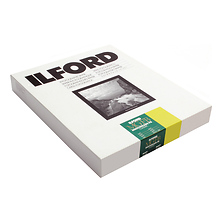
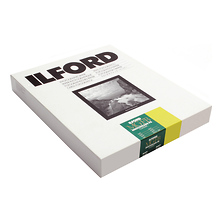
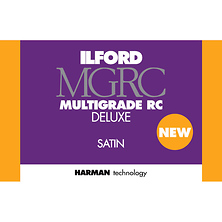
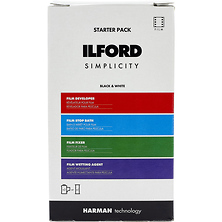
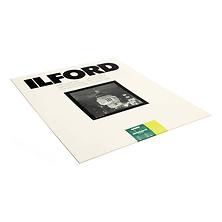
Photographic chemistry includes developers, stop baths, fixers, and wash aids for both film and paper processing. Film developers come in powder and liquid concentrate forms, with formulations optimized for fine grain, high acuity, or push processing. Paper developers vary in image tone from warm to neutral to cold. Enlarging paper is available in fiber-based and resin-coated substrates, with surface options including glossy, matte, and pearl finishes.
Accessories and Support Tools
Loupes and grain focusers ensure sharp enlargements by allowing you to examine projected grain structure on the easel. Lightboxes provide illumination for reviewing negatives and selecting frames for printing. Paper trimmers and rotary cutters create clean edges on finished prints. Retouching supplies address dust spots and minor imperfections in final prints.
Who Works with Film and Darkroom Equipment
Fine art photographers value the deliberate pace and tactile quality of film and handmade prints. The archival permanence of silver gelatin prints appeals to collectors and galleries. Students learning photography fundamentals gain deeper understanding of exposure and processing through hands-on darkroom work. Hobbyists enjoy the meditative process of developing film and watching images appear in the developer tray.
Professional photographers working in film production, editorial, and commercial markets use film for its distinctive rendering characteristics. Fashion and portrait photographers prize the skin tones and highlight rolloff that certain emulsions provide. Documentary photographers choose film for projects where the aesthetic matches their visual storytelling approach.
Frequently Asked Questions
What do I need to start developing film at home?
Basic film development requires a developing tank with reels, a changing bag for loading film in darkness, measuring graduates, a thermometer, a timer, and chemistry (developer, stop bath, and fixer). Clips or a film squeegee help with drying. The total investment for processing 35mm or 120 film is modest compared to professional lab costs over time.
Can I use the same chemicals for color and black-and-white film?
Color and black-and-white films require different chemistry. C-41 process chemicals develop color negative film, E-6 chemicals develop color slide film, and dedicated black-and-white developers work with traditional silver halide emulsions. Some black-and-white films (like Ilford XP2) use C-41 processing for convenience.
What size darkroom do I need for printing?
A functional printing darkroom fits in a space as small as a closet or bathroom that can be made completely dark. You need room for an enlarger, processing trays arranged in sequence, and a water source for washing prints. Ventilation helps with chemical fumes. Many photographers start with 8x10 inch trays and scale up as their practice develops.
How should I store unexposed film?
Keep unexposed film in a cool, dry place away from heat sources and direct sunlight. Refrigeration extends shelf life, especially for professional and specialty films. Allow refrigerated film to reach room temperature before loading to prevent condensation. Check expiration dates and use older stock first.
What is the difference between fiber-based and resin-coated paper?
Fiber-based (FB) paper absorbs chemistry into its paper base, requiring longer wash times but producing richer tones and greater archival permanence. Resin-coated (RC) paper has a plastic coating that speeds processing and drying, making it practical for proofing and everyday printing. Many photographers use RC paper for work prints and FB paper for exhibition and portfolio pieces.
Shop Film and Darkroom Supplies at Samy's Camera
Analog photography connects you directly to the image-making process through chemistry and light. Samy's Camera provides film stocks, darkroom equipment, and processing supplies for photographers who value the craft of traditional photography. Our knowledgeable staff can help you select the right materials for your cameras and creative goals, whether you are setting up your first darkroom or expanding an established practice.